


























Praise Be to You - Laudato Si
Laudato Si'
Pope Francis
August 21, 2015 · Hardcover · Ignatius Press · 164 pp
First edition · ISBN 9781621640813 · English · US
Religion
Hardcover
The earth is the common home of humanity. It is a gift from God. Yet man’s abuse of freedom threatens that home. In his encyclical Praise Be to You (Laudato Si’), Pope Francis challenges all people to praise God for his glorious creation and to work to safeguard her. The encyclical letter takes its name from St. Francis of Assisi’s Canticle of the Creatures, which depicts creation as “a sister with whom we share our life and a beautiful mother who opens her arms to embrace us”. “This sister”, Pope Francis declares, “now cries out to us because of the harm we have inflicted on her by our irresponsible use and abuse of the goods with which God has endowed her”. He calls for an “integral ecology” based on what Pope St John Paul called an “ecological conversion”—a moral transformation linking the proper response to God for the gift of his creation to concern for justice, especially for the poor. He challenges people to understand ecology in terms of the right ordering of the fundamental relationships of the human person: with God, oneself, other people, and the rest of creation. Francis examines such ecological concerns as pollution, waste, and what he calls “the throwaway culture”. Climate, he insists, is a common good to be protected. He explores the proper use of natural resources and notions such as sustainability from a Judeo-Christian perspective. The loss of biodiversity due to human activities, decline in the quality of life for many people, global inequality of resources, as well as concerns over consumerism and excessive individualism also threaten the good order of creation, writes Pope Francis. While valuing technology and innovation, he rejects efforts to repudiate the natural order, including the moral law inscribed in human nature or to rely simply on science to solve ecological problems. Moral and spiritual resources are crucial, including openness to God’s purpose for the world. Expounding the biblical tradition regarding creation and redemption in Christ, Francis stresses man’s subordination to God’s plan and the universal communion of all creation. “Dominion”, he maintains, means “responsible stewardship” rather than exploitation. He rejects treating creation as if it were “divine” and insists on the primacy of the human person in creation. He also explores the roots of the ecological crisis in man’s abuse of technology, his self-centeredness, and the rise of practical relativism. Without rejecting political changes, he implores people to change their hearts and their ways of life. Popes Benedict XVI, St John Paul II, and Blessed Paul VI addressed key themes regarding stewardship of God’s creation and justice in the world. But Pope Francis is the first to devote an entire encyclical to the subject.
More by Pope Francis
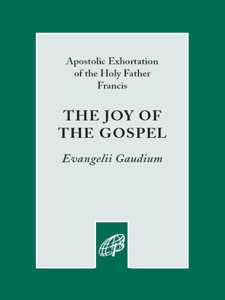 The Joy of the Gospel: Evangelii Gaudium
2013 · Ebook
The Joy of the Gospel: Evangelii Gaudium
2013 · Ebook
 The Joy of the Gospel (Evangelii Gaudium): Apostolic Exhortation
2014 · Ebook
The Joy of the Gospel (Evangelii Gaudium): Apostolic Exhortation
2014 · Ebook
 ENCYCLICAL LETTER LAUDATO SI’: On care for our common home: Green encyclical on the environment.
2015 · Ebook
ENCYCLICAL LETTER LAUDATO SI’: On care for our common home: Green encyclical on the environment.
2015 · Ebook
 The Name of God Is Mercy
2016 · Hardcover
The Name of God Is Mercy
2016 · Hardcover
Partial where an author was entered under two spellings — 34 such pairs are being merged in CLZ.