















JSB Books
Log in
Revival Deluxe Collection Volume 2 — Tim Seeley Revival Deluxe Collection Volume 1 — Tim Seeley Green City Wars — Adrian Tchaikovsky Venetian Vespers A Novel — John Banville The Case of the Spellbound Child — Mercedes Lackey Bone: Out from Boneville — Jeff Smith The Great Cow Race — Jeff Smith The Life of Samuel Johnson, LL.D. — James Boswell
This Kingdom Will Not Kill Me — Ilona Andrews The Barsoom Project — Steven Barnes A Beginner’s Guide to Roman Coin Collecting — Stephen Longhi Carry on Jeeves — P. G. Wodehouse The Code of the Woosters — P.G. Wodehouse The Dakota Cipher — William Dietrich The Downloaded — Robert J. Sawyer The Hydrogen Sonata — Iain M. Banks
Inimitable Jeeves, The — P. G. Wodehouse The Jeeves & Wooster Series: The Glorious Adventures of Bertie Wooster & His Valet Reginald Jeeves — P. G. Wodehouse The Key of the Keplian: Secrets of the Witch World — Lyn McConchie Matter — Iain M. Banks The Memory of Bones: Body, Being, and Experience among the Classic Maya — Karl Taube Mirror Mirror — Gregory Maguire Paradise Lost — John Milton Picture of Dorian Gray, The — Oscar Wilde
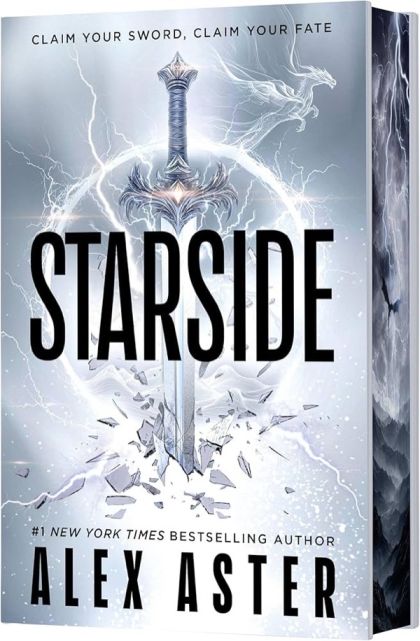
Right Ho, Jeeves — P.G. Wodehouse The Rosetta Key — William Dietrich Sawyer on Science Fiction — Robert J. Sawyer SPLIT SIGNAL — Davis Bun Starside — Alex Aster Surface Detail — Iain M. Banks The Time Machine — H. G. Wells Very Good, Jeeves! — P. G. Wodehouse
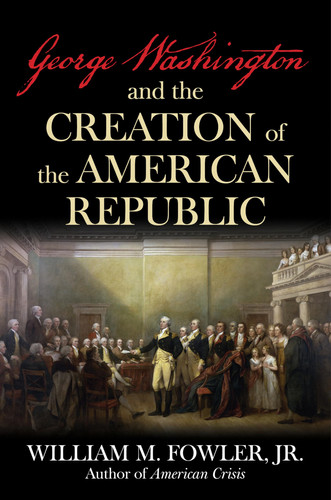
Witch World Saga 1-3 — Andre Norton Witch World: Estcarp Cycle — Andre Norton He Who Fights With Monsters Vol. 1 Outworlder — Shirtaloon Songs of the Dead — Brandon Sanderson Shots Heard Round the World America, Britain, and Europe in the Revolutionary War — John Ferling George Washington and the Creation of the American Republic — William M. Fowler Jr. Starside (Deluxe Limited Edition): An Enemies-to-Lovers Romantasy About a Quest for Vengeance Through a Dangerous Land of Magic (Starside Series, 1) — Alex Aster God's Junk Drawer — Peter Clines
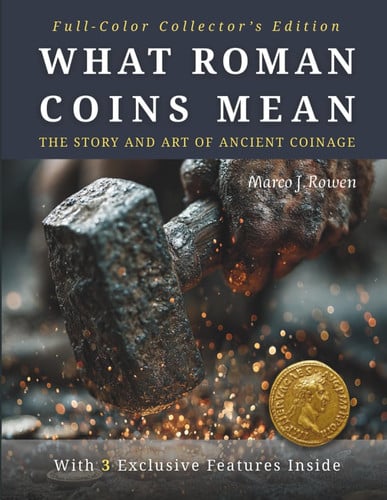
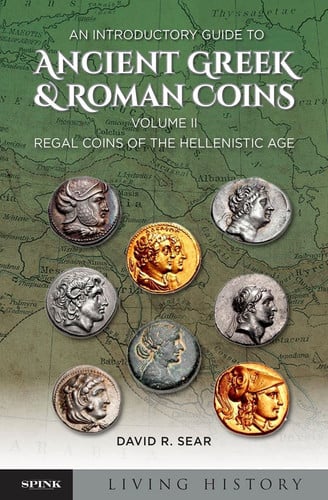
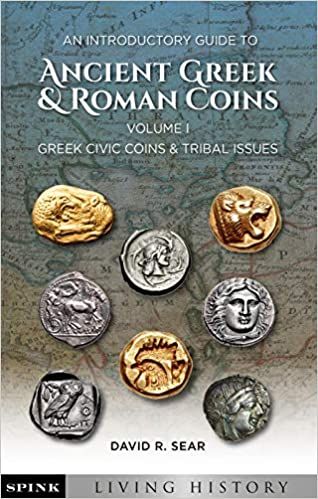
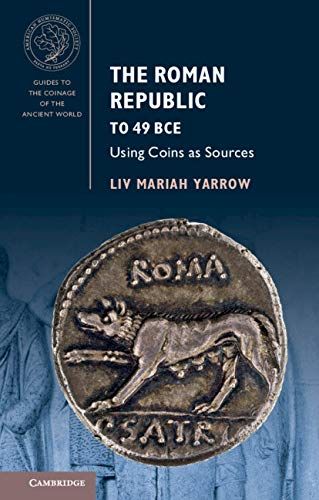
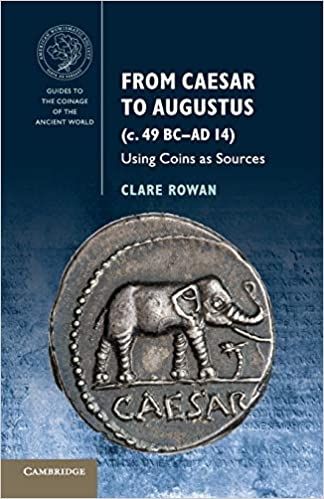
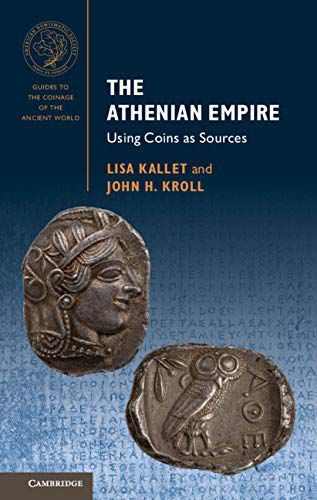
The Louisiana Purchase: The Grand Bargain and the Making of America (Pivotal Moments in American History) — Alexander Mikaberidze Listening to the Law Reflections on the Court and Constitution — Amy Coney Barrett WHAT ROMAN COINS MEAN: A Journey Through Ancient Minting and the Art of Roman Coinage (THE ROMAN COINAGE SERIES: History • Craft • Production • Meaning) — Marco J. Rowen An Introductory Guide to Ancient Greek and Roman Coinage — David R. Sear A Beginner's Guide to Ancient Coins — David R. Sear The Roman Republic to 49 BCE Using Coins as Sources — Yarrow, Liv Mariah From Caesar to Augustus (c. 49 BC-AD 14) Using Coins as Sources — Clare Rowan The Athenian Empire Using Coins as Sources — Lisa Kallet
The Roman Provinces, 300 BCE-300 CE Using Coins as Sources — Andrew Burnett Consider Phlebas — Iain M. Banks

1–50 of 5,979 Next 50 → All

The World at First Light A New History of the Renaissance

a new history of the Renaissance

Bernd Roeck

June 3, 2025 · Hardcover · Princeton University Press · 1184 pp

First edition · ISBN 9780691183831 · English · Dewey 940.2/1 · LC CB361 .R63813 2025

Hardcover

"A new and ambitious history of the Renaissance as a global event which, the author argues, was much more revolutionary and profoundly influential than we currently appreciate. This is nothing less than a new history of the origins, development and legacy of the Renaissance in a global and comparative context. Presented as a panorama of what the author characterises as a restless and dramatic epoch, the book is an exploration of how a distinct concentration of ideas, discoveries, and tumultuous political circumstance should have coalesced in Europe in such a way and at a particular time as to bring about the modern world as we know it. Drawing on a multidisciplinary awareness of history, art, philology, literature, philosophy, science and medicine, and exploiting both traditional accounts and post-colonial approaches, the author seeks to explain how the Renaissance came about and how it was, for better or worse, both the dawn of the modern world and the dawning of modern worldliness. After highlighting the distinctive and advantageous geographical position of Europe and establishing the absolutely crucial heritage of dialogue, criticism and communication from the classical world, the author recounts the various cultural 'rebirths' throughout the first millennium, from the Islamic empire to the Carolingians and late Byzantium, as well as the ongoing 'struggles for order' which marked much of the uneven development of the medieval period. By the very late Middle Ages, then, Europe was a propitious collection advanced states engaged in acrimonious but productive rivalry, wherein populated urban areas offered ideal venues for the exploitation of two phenomena: the importation of moveable type and a widespread adoption of the classical discourse of criticism and exchange. In situating Europe in the context of political and cultural conditions in central and south Asia as well as the Far East, Roeck argues that the explosion in learning and expression which we associate with the Renaissance was a combination of new ideas and material conditions, and of innovations as well as serendipitous political realities; it was also as much the culmination of a long and slow evolution of ancient tendencies as any sudden rediscovery. The consequences in any case have been profound: much that we take for granted in politics, scientific enquiry and intellectual life is a consequence of the Renaissance"--