



















Philip K. Dick: Four Novels of the 1960s
The MAn in the High Castle; THe three Stigmata of Palmer Eldrich; Do Androids Dream of Electric Sheep: Ubik
Philip K. Dick
June 15, 2007 · Hardcover · Library of America · 900 pp
First edition · ISBN 9781598530094 · English · US · Dewey 813.54 · LC PS3554.I3 .A6 2007
Science Fiction
Hardcover
Known in his lifetime primarily to readers of science fiction, Philip K. Dick is now seen as a uniquely visionary figure, a writer who, in editor Jonathan Lethem’s words, “wielded a sardonic yet heartbroken acuity about the plight of being alive in the twentieth century, one that makes him a lonely hero to the readers who cherish him.”This Library of America volume brings together four of Dick’s most original novels. The Man in the High Castle (1962), which won the Hugo Award, describes an alternate world in which Japan and Germany have won World War II and America is divided into separate occupation zones. The dizzying The Three Stigmata of Palmer Eldritch (1965) posits a future in which competing hallucinogens proffer different brands of virtual reality, and an interplanetary drug tycoon can transform himself into a godlike figure transcending even physical death.Do Androids Dream of Electric Sheep? (1968), about a bounty hunter in search of escaped androids in a postapocalyptic society where status is measured by the possession of live animals and religious life is focused on a television personality, was the basis for the movie Blade Runner. Ubik (1969), with its future world of psychic espionage agents and cryonically frozen patients inhabiting an illusory “half-life,” pursues Dick’s theme of simulated realities and false perceptions to ever more disturbing conclusions, as time collapses on itself and characters stranded in past eras search desperately for the elusive, constantly shape-shifting panacea Ubik. As with most of Dick’s novels, no plot summary can suggest the mesmerizing and constantly surprising texture of these astonishing books.Posing the questions “What is human?” and “What is real?” in a multitude of fascinating ways, Dick produced works—fantastic and weird, yet developed with precise logic, marked by wild humor and soaring flights of religious speculation—that are startlingly prescient imaginative anticipations of twenty-first-century quandaries.LIBRARY OF AMERICA is an independent nonprofit cultural organization founded in 1979 to preserve our nation’s literary heritage by publishing, and keeping permanently in print, America’s best and most significant writing. The Library of America series includes more than 300 volumes to date, authoritative editions that average 1,000 pages in length, feature cloth covers, sewn bindings, and ribbon markers, and are printed on premium acid-free paper that will last for centuries.
More by Philip K. Dick
 The Eyes Have It: Philip K. Dick's Mind-Bending Short Story of Perception and Reality
Ebook
Blade Runner
Blade Runner
1987 · Paperback
The Eyes Have It: Philip K. Dick's Mind-Bending Short Story of Perception and Reality
Ebook
Blade Runner
Blade Runner
1987 · Paperback
 The Dark Haired Girl
1988 · Hardcover
The Minority Report and Other short stories
The Minority Report and Other short stories
2003 · Ebook
The Dark Haired Girl
1988 · Hardcover
The Minority Report and Other short stories
The Minority Report and Other short stories
2003 · Ebook
 Voices From the Street
2007 · Hardcover
Voices From the Street
2007 · Hardcover
 Do Androids Dream of Electric Sheep?
2008 · Ebook
Do Androids Dream of Electric Sheep?
2008 · Ebook
 Philip K. Dick: Five Novels of the 1960s & 70s
2008 · Hardcover
Philip K. Dick: Five Novels of the 1960s & 70s
2008 · Hardcover
 A Scanner Darkly
2011 · Ebook
A Scanner Darkly
2011 · Ebook
 Lies, Inc.
2011 · Ebook
Lies, Inc.
2011 · Ebook
 Now Wait for Last Year
2011 · Ebook
Now Wait for Last Year
2011 · Ebook
 The Divine Invasion (Valis)
2011 · Ebook
The Divine Invasion (Valis)
2011 · Ebook
 The Exegesis of Philip K. Dick
2011 · Ebook
The Exegesis of Philip K. Dick
2011 · Ebook
 The Simulacra
2011 · Ebook
The Simulacra
2011 · Ebook
 The Three Stigmata of Palmer Eldritch
2011 · Ebook
The Three Stigmata of Palmer Eldritch
2011 · Ebook
 The Transmigration of Timothy Archer (VALIS Trilogy Book 3)
2011 · Ebook
The Transmigration of Timothy Archer (VALIS Trilogy Book 3)
2011 · Ebook
 The Valis Trilogy
2011 · Ebook
The Valis Trilogy
2011 · Ebook
 VALIS (VALIS Trilogy Book 1)
2011 · Ebook
VALIS (VALIS Trilogy Book 1)
2011 · Ebook
 Confessions Of A Crap Artist
2012 · Ebook
Confessions Of A Crap Artist
2012 · Ebook
 Counter-Clock World
2012 · Ebook
Counter-Clock World
2012 · Ebook
 Eye in the Sky
2012 · Ebook
Eye in the Sky
2012 · Ebook
 Flow My Tears, the Policeman Said
2012 · Ebook
Flow My Tears, the Policeman Said
2012 · Ebook
 Martian Time-Slip
2012 · Ebook
Martian Time-Slip
2012 · Ebook
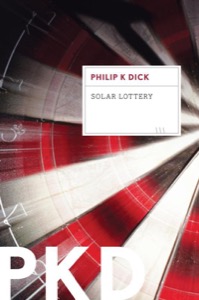 Solar Lottery
2012 · Ebook
Solar Lottery
2012 · Ebook
 The Crack in Space
2012 · Ebook
The Crack in Space
2012 · Ebook
 The Man in the High Castle
2012 · Ebook
The Man in the High Castle
2012 · Ebook
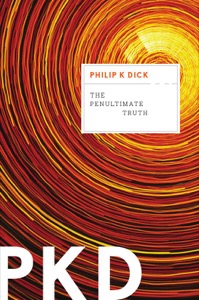 The Penultimate Truth
2012 · Ebook
The Penultimate Truth
2012 · Ebook
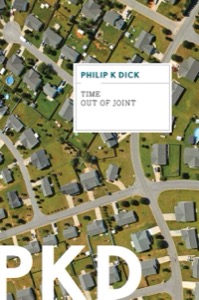 Time Out Of Joint
2012 · Ebook
Time Out Of Joint
2012 · Ebook
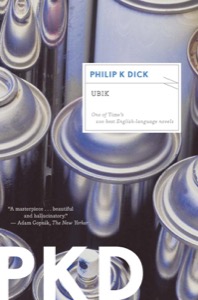 Ubik
2012 · Ebook
Ubik
2012 · Ebook
 Our Friends From Frolix 8
2013 · Ebook
Our Friends From Frolix 8
2013 · Ebook
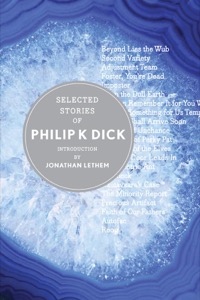 Selected Stories of Philip K. Dick
2013 · Ebook
Selected Stories of Philip K. Dick
2013 · Ebook
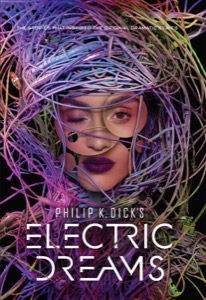 Philip K. Dick's Electric Dreams
2017 · Ebook
Philip K. Dick's Electric Dreams
2017 · Ebook
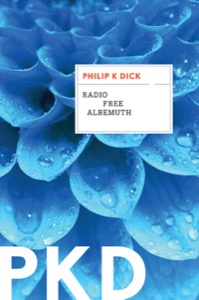 Radio Free Albemuth
2020 · Ebook
Radio Free Albemuth
2020 · Ebook
Partial where an author was entered under two spellings — 34 such pairs are being merged in CLZ.