

← Previous 57–64 of 5,992 Next 8 → All 50 at a time
The Last Stand: Custer, Sitting Bull, and the Battle of the Little Bighorn
Custer, Sitting Bull, and the Battle of the Little Bighorn
Nathaniel Philbrick
May 4, 2010 · Hardcover · Viking · 496 pp
First edition · ISBN 9780670021727 · English · US · Dewey 973.8/2 · LC E83.876 .P47 2010
History
Hardcover
Watch a video Read discussion questions for The Last Stand. The bestselling author of Mayflower sheds new light on one of the iconic stories of the American West Little Bighorn and Custer are names synonymous in the American imagination with unmatched bravery and spectacular defeat. Mythologized as Custer's Last Stand, the June 1876 battle has been equated with other famous last stands, from the Spartans' defeat at Thermopylae to Davy Crockett at the Alamo. In his tightly structured narrative, Nathaniel Philbrick brilliantly sketches the two larger-than-life antagonists: Sitting Bull, whose charisma and political savvy earned him the position of leader of the Plains Indians, and George Armstrong Custer, one of the Union's greatest cavalry officers and a man with a reputation for fearless and often reckless courage. Philbrick reminds readers that the Battle of the Little Bighorn was also, even in victory, the last stand for the Sioux and Cheyenne Indian nations. Increasingly outraged by the government's Indian policies, the Plains tribes allied themselves and held their ground in southern Montana. Within a few years of Little Bighorn, however, all the major tribal leaders would be confined to Indian reservations. Throughout, Philbrick beautifully evokes the history and geography of the Great Plains with his characteristic grace and sense of drama. The Last Stand is a mesmerizing account of the archetypal story of the American West, one that continues to haunt our collective imagination.
More by Nathaniel Philbrick
 Sea of Glory
2004 · Ebook
Sea of Glory
2004 · Ebook
 Mayflower
2006 · Audiobook
Mayflower
2006 · Audiobook
 Why Read Moby-Dick?
2011 · Hardcover
Why Read Moby-Dick?
2011 · Hardcover
 Bunker Hill (The American Revolution Series)
2013 · Ebook
Bunker Hill (The American Revolution Series)
2013 · Ebook
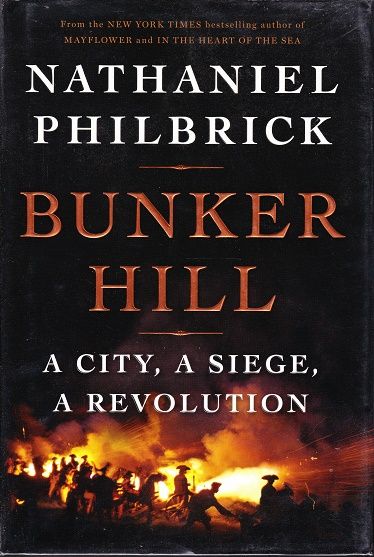 Bunker Hill: A City, a Siege, a Revolution
2013 · Hardcover
Bunker Hill: A City, a Siege, a Revolution
2013 · Hardcover
 Valiant Ambition (The American Revolution Series)
2016 · Ebook
Valiant Ambition (The American Revolution Series)
2016 · Ebook
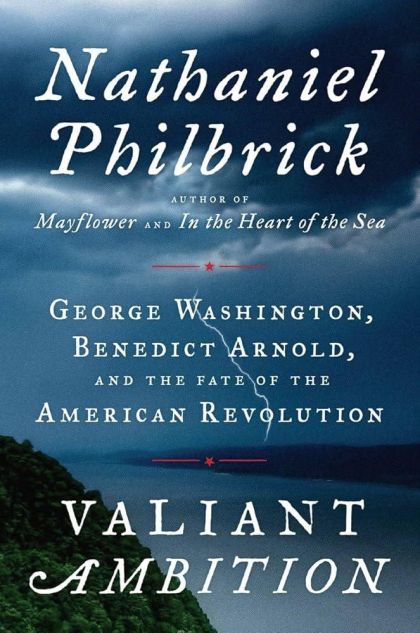 Valiant Ambition: George Washington, Benedict Arnold, and the Fate of the American Revolution
2016 · Hardcover
Valiant Ambition: George Washington, Benedict Arnold, and the Fate of the American Revolution
2016 · Hardcover
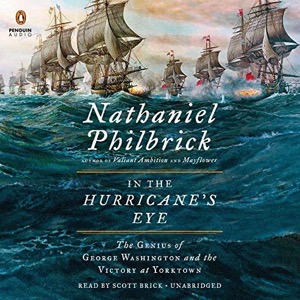 In the Hurricane's Eye
2018 · Audiobook
In the Hurricane's Eye
2018 · Audiobook
Partial where an author was entered under two spellings — 34 such pairs are being merged in CLZ.